Last Friday I spent the day numb.
Staring at my screen, getting nothing actually done except trying to process my feelings through pounding the keys on my Mac. From the outside I probably just looked like a writer, really into whatever she was writing. Inside, I was in turmoil. After skimming the headlines on my phone that morning and I made the mistake of clicking on an article regarding the pandemic. Of course, I was triggered by various statements written, meant to induce fear or inspire a specific action in whoever is reading. Logically, I know why these articles are written. I understand what the press is all about. Still, it triggers me, and I have to be careful what I expose my mind to during these times.
So, since panic seems to be rising along with the number of reported COVID cases, I wanted to share my heart and personal experience going through the last lockdown. I know some people will be able to relate and hopefully be encouraged as people talk of (or are experiencing) a second lockdown.
When quarantine started for us back in March, in the Netherlands, I went through quite a dark time with my depression. I know we all had unique + challenging situations in that moment. Elderly and other high-risk people were fearful over getting the virus (and even perfectly healthy people had this fear.) Singles could no longer see friends or foster romantic relationships. People lost jobs. Businesses had to close. Kids couldn’t play with friends and were at the mercy of however their parents were coping with lockdown. Working parents had to work from home with their kids present. Stay-at-home parents (or work-from-home) suddenly had their kids around all day with no reprieve.
That last one is the camp I was in– the stay-at-home parent. I’m a chronic depressive, highly sensitive person who has strong physical reactions to stimulation, like loud, competing noises, touch, and temperature. Even things like caffeine and medication I seem to be more sensitive than others, and always have been. As a stay-at-home mom of three, I require at least some complete alone time each day to recharge from the often wild, loud, emotional interactions with my kids. (Even lots of happy, fun, joyous interactions wear me out.) Therefore, I was thrown into a tailspin of anxiety + panic when lockdown began and my normal way of coping was taken away. Suddenly my kids and husband were going to be there, in our Dutch rental, with me, 24/7. When others were saying what a blessing being closer together was, I was literally panicking.
In the first month of lockdown I had huge blow-ups with my husband, a “numbers guy” who would pore over CDC charts and relay all the COVID statistics to me until I literally begged him not to. “We can’t talk about this! Let’s talk about anything but this. Please.” So, for marital peace, he had to keep the statistics to himself and we watched Friends and The Office in silence every single night. I clung to any happy, carefree thing in our now tiny world. I wanted to forget, even for thirty minutes, the panic rising in my chest. Not panic that I would get the virus, but that our world would now forever be one of fear and darkness, with no end in sight. Also, that date nights would now consist only of Tiger King binge-watches, ridiculous amounts of takeout and whatever flavor of specialty ice cream pints the nearby tiny grocery still had in stock. I most definitely gained the Quarantine-15. Thank you Ben, thank you Jerry.
All lockdown jokes (realities) aside, there were moments during those many weeks I felt suicidal. Living with depression as a genetic mental illness is a daily battle that can be difficult even in normal times. Lockdown was riddled with triggers for me, and yes, I had many days that I wished for death. I never attempted suicide, I never have, and I hopefully never will, but I felt like death would have been better than what I was feeling, the way I was coping, the deep darkness inside my mind.
While some increased their drinking during lockdown to cope, mine stopped because I was afraid I wouldn’t stop drinking. I’m not an alcoholic but when in a dark place I avoid alcohol because I know it will only make the situation in my brain worsen. I so desperately wanted to be transported out of that difficult, uncertain situation that I feared I might have drank myself to oblivion. So I avoided adult drinks until things eventually seemed less dire.
If this all seems extreme to you, or self-absorbed because I just should have been happy I didn’t have COVID, well…good! Then it means you probably don’t suffer from severe clinical depression. However, please don’t assume that because you don’t understand something that it is not real or valid. Unfortunately, I can’t just “put on some positive pants” or simply “choose to be happy.” That kind of advice is trite and not helpful to someone with depression.
My saving grace was my daily run outside, while my husband paused his work and watched the kids. Every single day I ran for thirty minutes in the sunshine, which in the Netherlands was considered a miracle. Yes, six weeks straight of sunny days, beginning almost exactly when lockdown did! That strengthened my faith that God isn’t a cruel God, even in cruel times.
During my morning “quarantine outside time” I still struggled. Running, even in the sunshine, is arduous when your thoughts are racing and you feel like you can hardly breathe, but I just kept going. I literally ran for my life. Twice I had full-on panic attacks (the first ever I’d experienced) and had to stop in the middle of the path, unable to breathe, as though something was pressing hard on my chest suffocating me. My thoughts whirling with dire guesses about the future, and fears that there would never be normalcy again. Thankfully both times I was able to eventually slow my breathing and walk home, shaken but okay.
I hate to admit it, but I also became uncharacteristically paranoid, convinced there were conspiracies happening in the world and all the dystopian novels I had read were coming to life. It was nightmarish. I vowed to stick to happy reads from then on.
Mostly, I just felt really alone. Usually my depression can be easily hidden and glazed over, and it doesn’t bother me that no one else knows or cares about my inner struggles. I am considered “high functioning” in normal times, where my mental illness rarely interferes with day-to-day life or relationships. But during the lockdown I felt I was in a world where if you had mental illness you were forgotten completely. All that mattered was flattening the curve of COVID cases/deaths.
The phrase, “We’re all in this together” left a clanging in my ears every time I heard it, because I had never felt more alone, a captive of my depression.
This is my truth, and I’m not the only one.
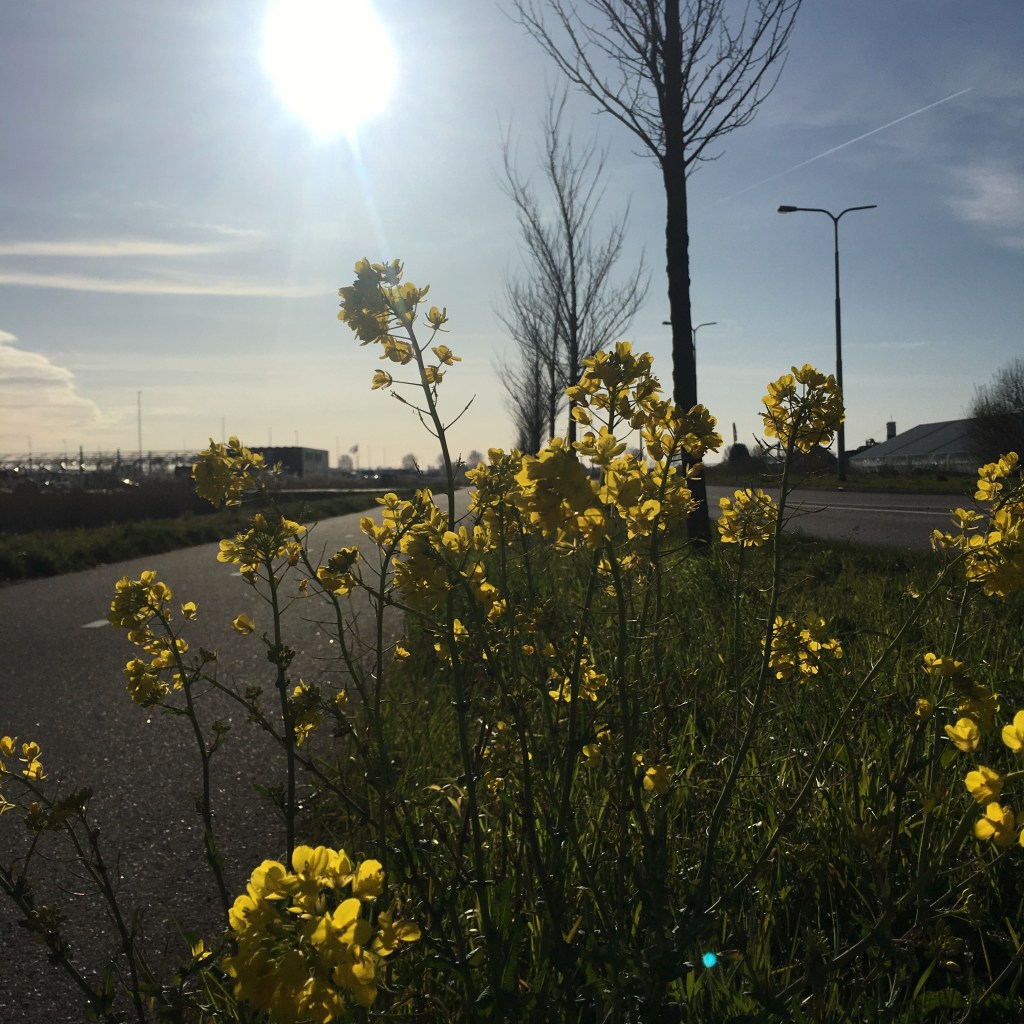
As the weeks wore on I learned to cling to every flower blooming and ray of light. I was thankful for the things that weren’t closed, thankful for any small happiness. Our family never got sick or knew anyone that did. Things got better, as thankfully, they always do.
While things are better now, a vaccine is apparently coming, and we are all more prepared for this second wave, I refuse to glaze over or ignore the fact that suicide and drug-related deaths continue to rise during this pandemic.
If you went into a dark place due to mental illness during lockdown, and feel fear/panic regarding another one happening soon, you are not alone.
I see you. I was there in the dark, too, and came back again.
As much as I don’t want it to, it looks like things will shut down again, at least to a certain degree. Prepare yourself now. Get meds if that helps you. Find an online therapist if you don’t have one yet. Get systems in place to cope with the things you found difficult. Remind yourself of what you went through. You survived before and you will again. Severe depression requires digging deep and finding the will to keep going even when your brain is tricking you into thinking you shouldn’t, that you should just give up. Don’t believe those lies. You are so very strong. You are important and loved.
You can get through this (again.) Don’t stay silent about how you are feeling. You’re not the only one.
If you know someone who struggles with depression and/or anxiety, please check in on them and yes, even hug them if they need it. That article I mentioned above was urging people to stop hugging loved ones. I pray that in all of this we do not completely lose our love, affection, and ultimately, our humanity.
The National Suicide Prevention Lifeline provides 24/7, free and confidential support. Call 1-800-273-8255 for help.
 coffee, then words